
Find the likely source of freezer frost before defrosting or replacing parts.
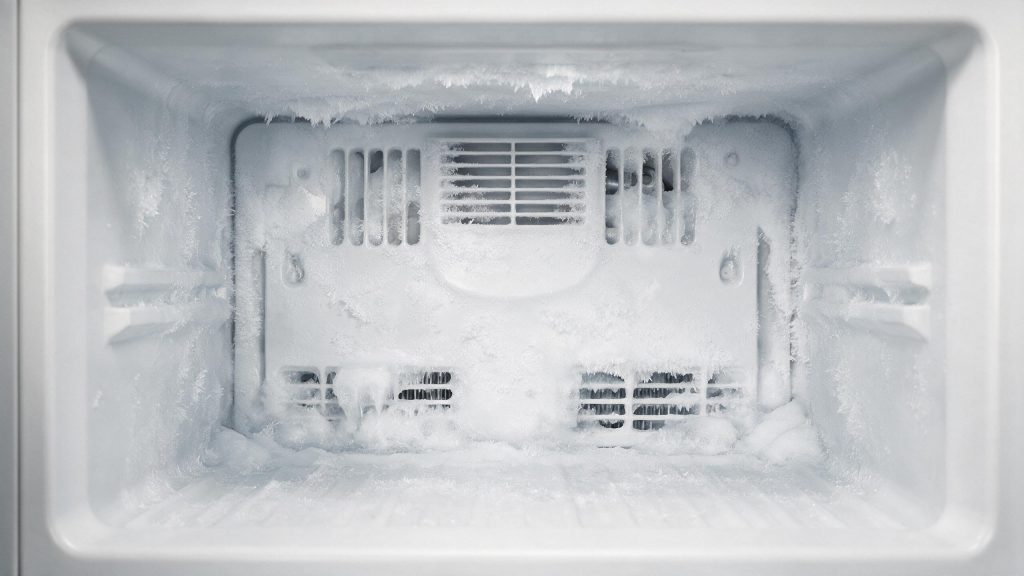
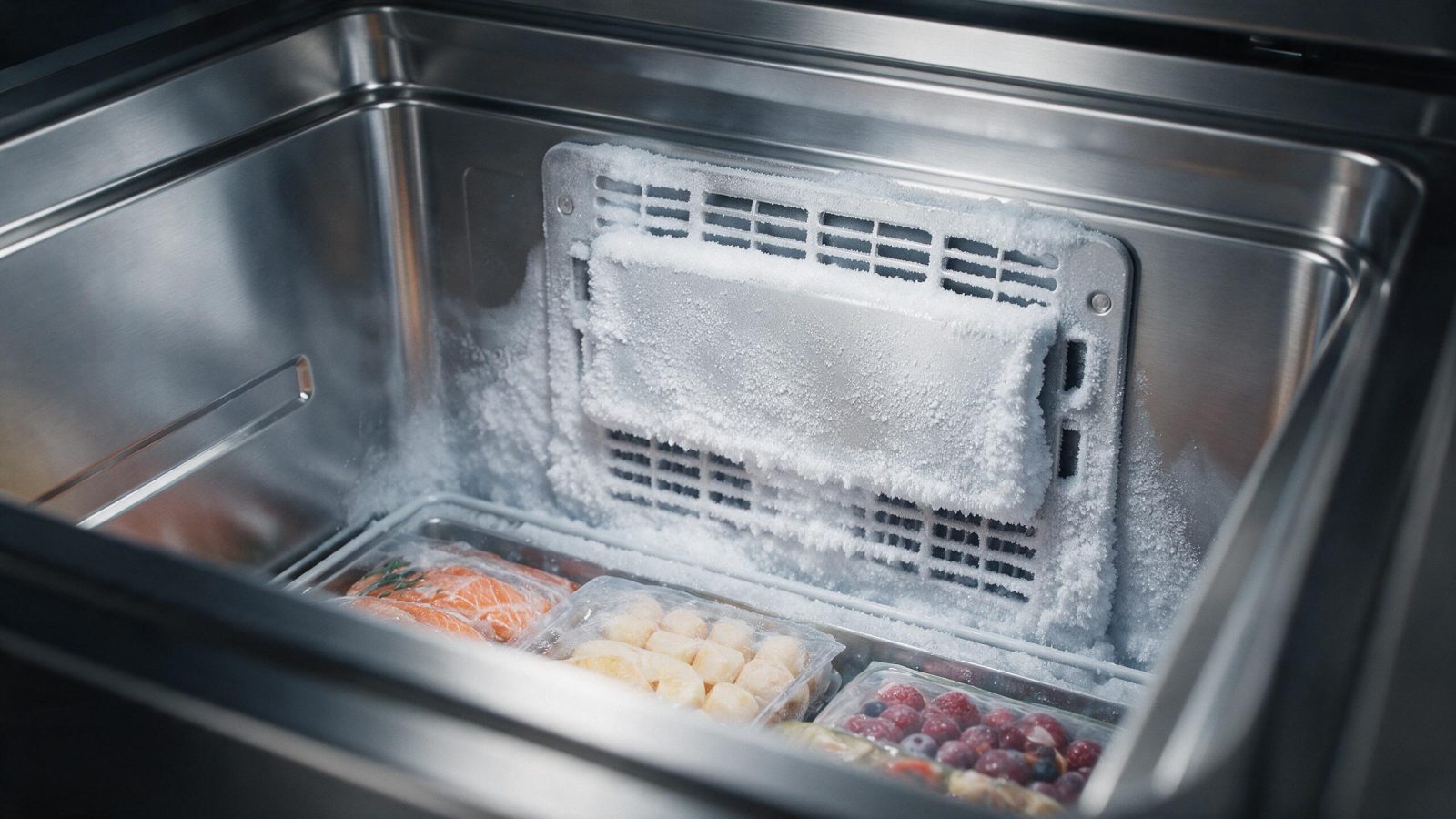
Frost is a moisture problem first. Warm, humid air enters when a freezer door is left ajar or does not seal, then freezes on cold surfaces. A blocked drain, ice-maker fill issue, or defrost-system fault can create a similar-looking buildup, so the location and timing of the frost matter.
A one-time layer of frost after a door was left open can often be corrected without parts. Frost that returns after the door and gasket are confirmed good needs a closer diagnosis.
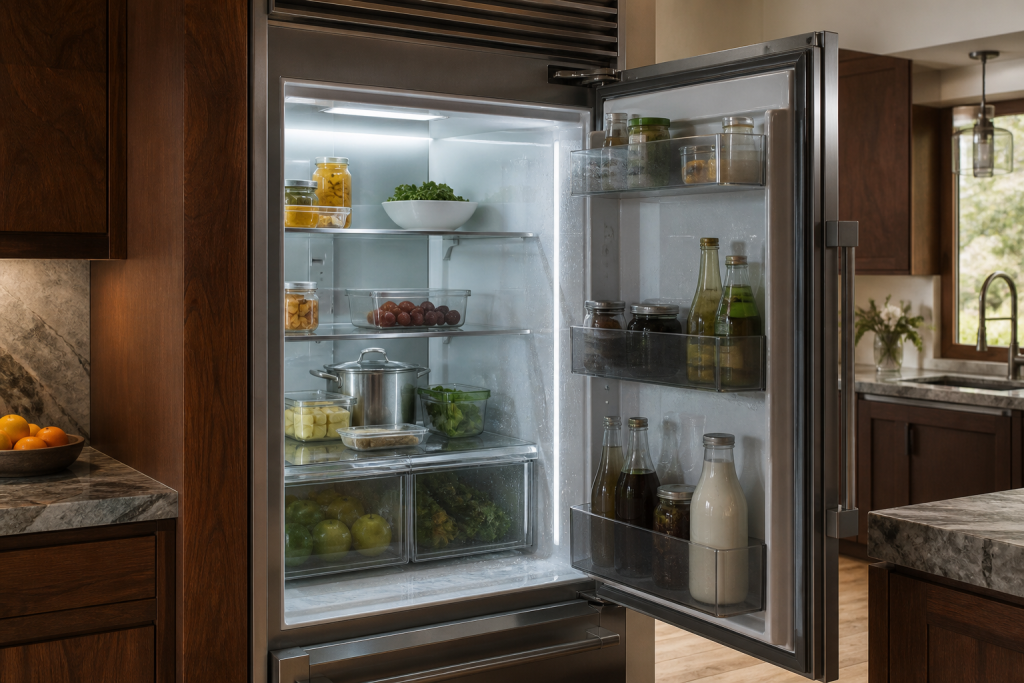
High household humidity makes an imperfect seal show up faster, so pay particular attention to gasket contact during warm or humid weather.
Frost concentrated near a door edge points more strongly toward air leakage. Ice on a back wall or around a fan cover can be associated with airflow, drain, or defrost conditions. Ice around an ice-maker fill area can indicate water entering where it should not.
Do not use a knife, screwdriver, heat gun, or open flame to remove ice. Puncturing a liner or evaporator can turn a manageable problem into a major repair.
Verify the freezer is set near 0°F and clean the condenser if maintenance is due. Restricted condenser airflow can increase run time and make moisture or frost symptoms worse.
After correcting the source and completing a model-appropriate defrost, allow about 24 hours for normal temperature and airflow to return.
Recurring frost with a good door seal can involve a drain restriction, fan problem, temperature sensor, heater, control, or other defrost component. Those systems vary by model, and a technician should test them rather than replacing parts by guesswork.
A small amount can occur after a door has been open, and ice bins can frost during normal defrost cycles. Heavy or recurring buildup is not something to ignore.
Yes. A damaged gasket allows humid room air into the freezer, where moisture condenses and freezes.
Only with the correct instructions for your model. Many Sub-Zero products use automatic defrost, and the procedure for disabling a compartment varies by series.
If the symptom continues after the owner-safe checks above, schedule a professional diagnosis. You can also review our Sub-Zero repair services before booking.
Recurring ice does not automatically prove a failed defrost heater. Door sealing, drains, airflow, and model-specific defrost controls must be considered.
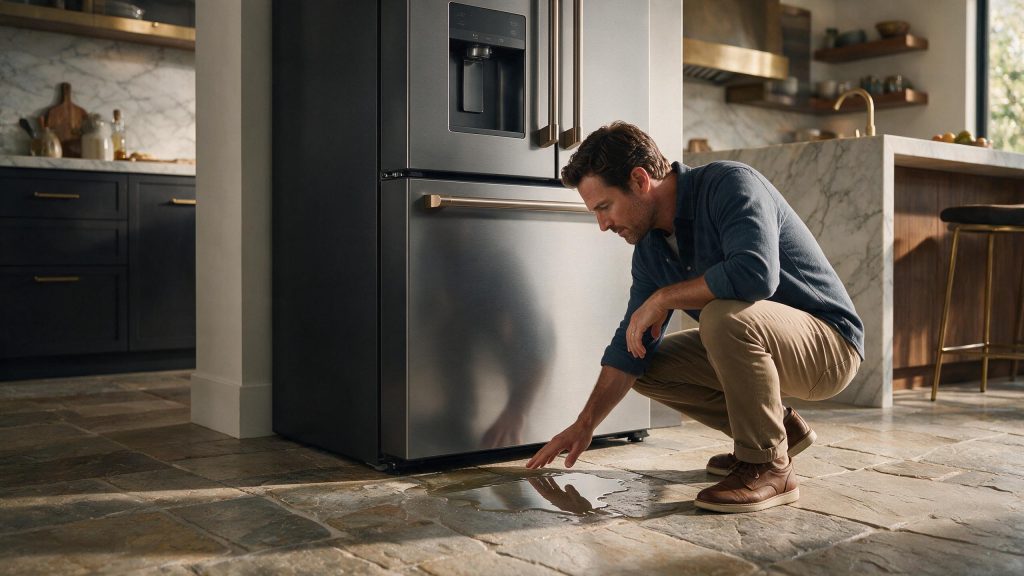
Use location and timing to determine whether refrigerator condensation is temporary humidity or evidence of a sealing or drainage issue.
Before replacing a valve or drain part, determine exactly where the water is appearing.
Share a few details and we’ll confirm an appointment. Prefer to talk? Call us and we’ll help right away.
Fields marked with * are required.