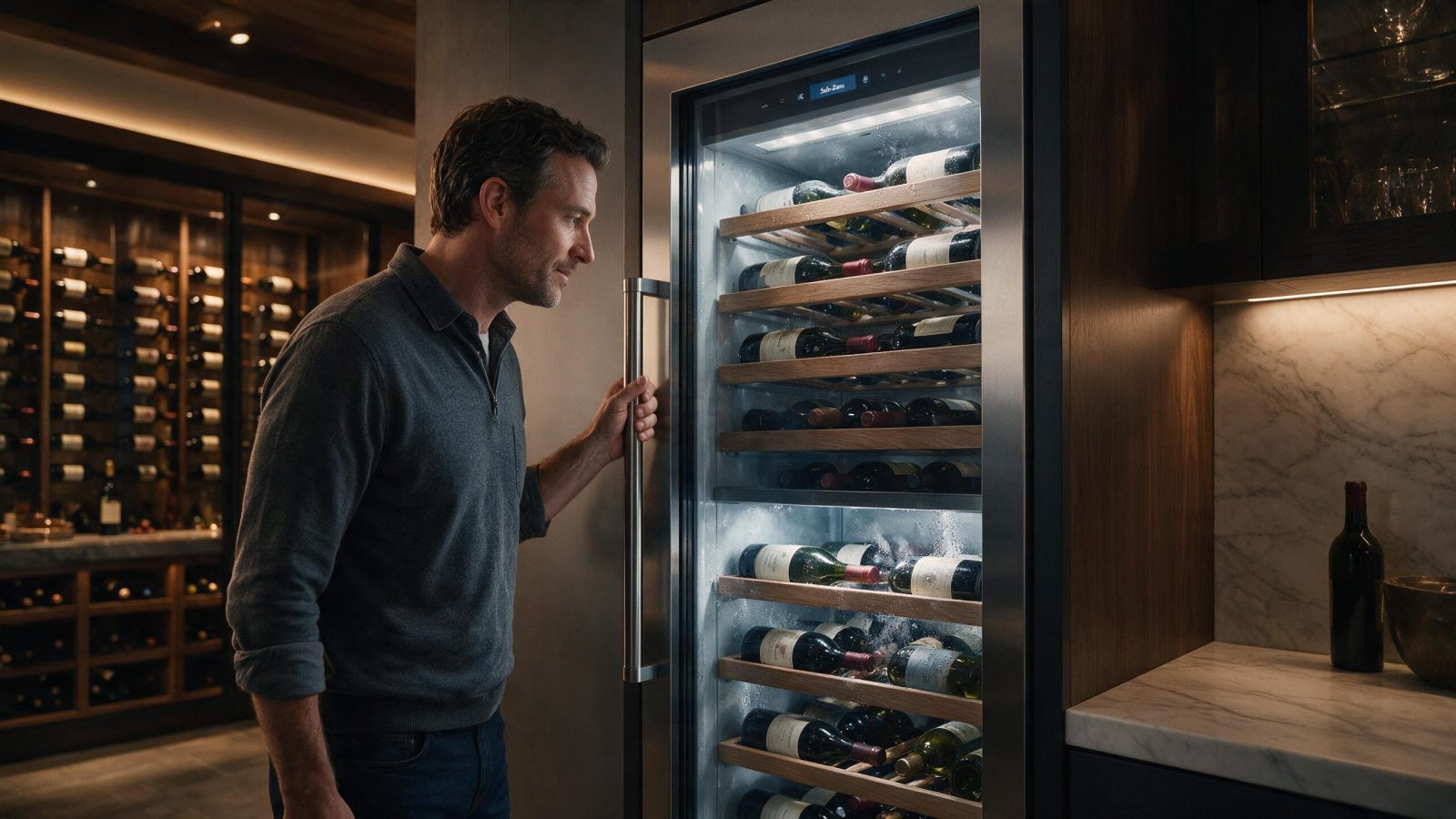

Warm wine storage can come from settings, door sealing, condenser airflow, fans, sensors, or the refrigeration system.
A wine unit that is not cooling most often comes down to something checkable first: a recent start-up, a disabled or mode-limited setting, a blocked grille, or a door that is not sealing. Compare the actual zone temperature with its setpoint and note whether one zone or all of them are warm. If those checks do not help, the cause may be a fan, sensor, or cooling-system fault.
Sub-Zero refers to these products as Wine Storage units, and their operating range is intentionally broader than a food refrigerator. Depending on series, wine zones can generally be set across a range intended for both red and white wine storage.
Before calling the unit ‘not cooling,’ compare the actual zone temperature with its selected setpoint and identify whether one zone or every zone is warm.
| Symptom | What it can point to | What you can safely check |
|---|---|---|
| Just installed or restarted | Normal stabilization | Wait 24 hours before judging |
| Display shows temperatures, no cooling | Showroom Mode on some Designer models | Look for a Showroom message and follow your model’s exit steps |
| Lights and controls work, nothing cools | Mode setting rather than failure | Check modes before calling it a fault |
| Grille or toe kick area blocked | Restricted airflow | Clear the opening and check trim or panels |
| Service flashing | Cooling or sensor condition | Turn off and on once, then note whether it returns |
The word ‘warm’ also needs context for wine, since the range is wide. A zone set near the top of its range will read warmer than one set for cool white storage, so a temperature that looks high may simply match the selected setting. Check the setpoint on the display before deciding the unit is failing.
Check that the unit has had time since start-up, that each zone is set and enabled, and that the door seals. Then compare the zones one at a time.
Dual-zone units add one more clue. If one zone cools to its setpoint and the other does not, that difference narrows the search considerably, so check each zone separately rather than reading one temperature for the whole cabinet.
If the unit was recently installed or turned back on, allow at least 24 hours to stabilize. Confirm each zone is enabled and set appropriately, then make sure the door or drawer closes fully and the gasket is intact. Where only one zone is affected, say so when you call, because that points the technician toward a zone-specific part.
On dual-zone products, one zone behaving normally while the other stays warm is useful diagnostic information.
Showroom Mode disables cooling while the lights and controls still work and a Showroom message is shown. It returns after a power outage, which means a unit that was fine can seem to stop cooling after the power comes back. Sub-Zero says it also blocks Sabbath mode. On Designer models the exit is through the settings menu, with a password that varies by model, so use your own guide rather than guessing.
Clean the condenser when maintenance is due and verify the grille or toe-kick area is not blocked. Wine Storage cooling performance can deteriorate when heat cannot leave the condenser area.
If the unit sits in custom cabinetry, check whether anything has been added around the grille since it last cooled well. Panels, trim, and storage placed against the opening can restrict airflow.
Do not modify custom cabinetry or ventilation openings without confirming the installation requirements for the exact model.
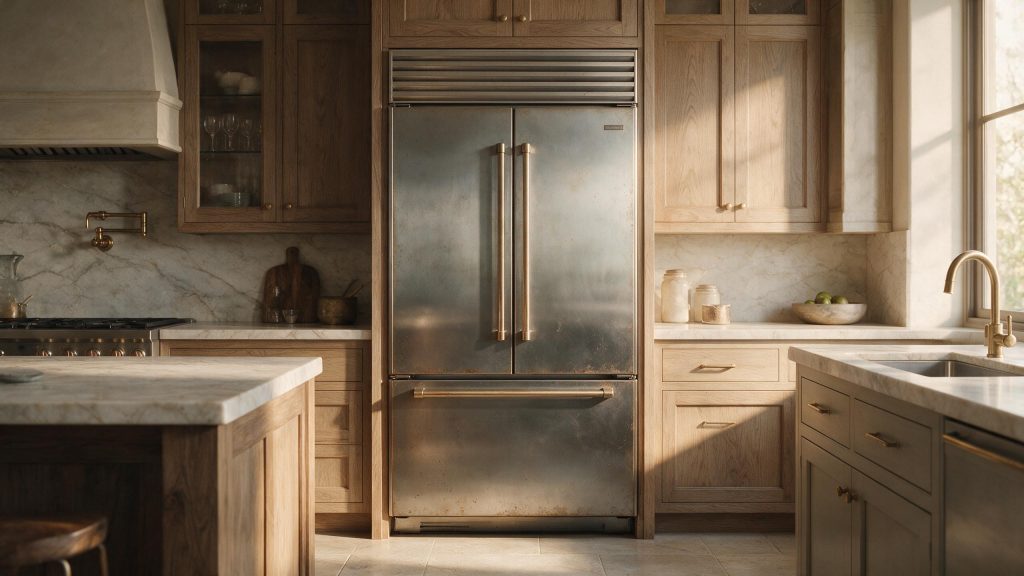
Sub-Zero’s installation material says flush-inset panels need open space around the grille for airflow, and that a thin panel in the inner grille frame helps keep warm discharge air from short-circuiting back in. Those details belong to the installation guide for a model, but they show why a remodel or new panel can affect cooling. Sub-Zero also says that on Designer models the kickplate must not be fully covered by a custom toe kick or enclosed in cabinetry, because that can lead to sealed-system failure.
Do not confuse a zone that is off or limited by a mode with a warm one. If a section is disabled, the display can show dashes instead of a temperature, which tells you the section was never running.
A fan problem, a temperature sensor or control issue, a gasket or alignment problem, a sealed-system or compressor fault, or restricted installation ventilation.
Sub-Zero says that some combination units have more than one compressor, and both can run together. A unit that runs for a long time may therefore not be failing. The condenser fan can also be mistaken for the compressor when judging sound and run time.
If temperature continues climbing and valuable wine is at risk, move bottles to stable storage rather than waiting for a warm cabinet to recover indefinitely. Schedule diagnosis when basic owner checks do not restore the zone.
Sub-Zero lists the usual causes of warm cooling as a fan, a temperature sensor or thermostat, the sealed system, or a door seal, and says that confirming which one is involved takes a technician with the right equipment. A clean condenser and a sealing door that still leave the zone warm are the case for booking.
Many current Wine Storage families operate roughly within 39°F to 65°F, but the exact range depends on model and serial number.
Allow at least 24 hours before judging final temperature performance.
A zone-specific fan, sensor, control, or airflow issue can affect one area while another remains normal.
Yes. Showroom Mode on some Designer models turns cooling off while the controls and lights still work.
It can. When heat cannot leave the condenser area, performance can fall, so keep the grille and toe-kick opening clear.
If the symptom continues after the owner-safe checks above, schedule a professional diagnosis. You can also review our Sub-Zero repair services before booking.
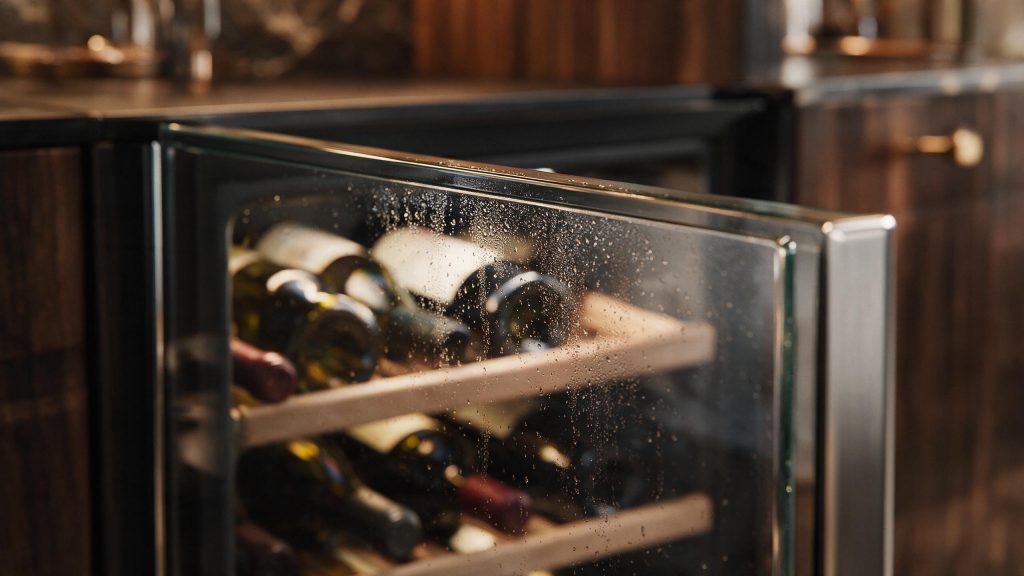
Moisture on bottles or glass can be temporary humidity, but recurring condensation should be checked before labels and cabinetry are damaged.
Wine Storage temperatures should be judged by zone behavior over time, not by one quick reading after the door has been opened.
Sub-Zero's published design target is about 20 years on average, but real lifespan varies widely with use, maintenance, installation, and repair history.
Share a few details and we’ll confirm an appointment. Prefer to talk? Call us and we’ll help right away.
Fields marked with * are required.