
Slow ice production needs a different diagnosis from a completely dead ice maker.
Slow ice usually comes down to a freezer that is a little warm, restricted water, or a bin that is not seated correctly, not a failed ice maker. Compare output against normal rates and your recent use before judging. If production stays low for a full day after you correct the basics, book a diagnosis.
When an ice maker still produces cubes but cannot keep up, the problem is often marginal rather than total: the freezer may be slightly warm, water flow may be restricted, or demand may simply be higher than usual.
Before replacing parts, compare the pattern with recent use. A party, repeated door openings, new groceries, or emptying the bin can create a temporary shortage even when the system is healthy. If output is only slightly down, give the system a full day of normal use before changing anything, since adjustments made too early make the pattern harder to read.
| Symptom | What it can point to | What you can check |
|---|---|---|
| Fewer cubes than usual | High demand or warm freezer | Review recent use and the freezer temperature |
| Small or hollow cubes | Low water pressure or restricted flow | Check the filter, supply valve, and any inline filter |
| Production stops early | Bin or basket seated too high | Reseat the bin and any upper basket |
| Clumped ice that will not dispense | Stored ice sticking together | Break up clumps and empty the bin |
| Low output for a full day | Valve, sensor, or mechanism issue | Book diagnosis if basics are corrected |
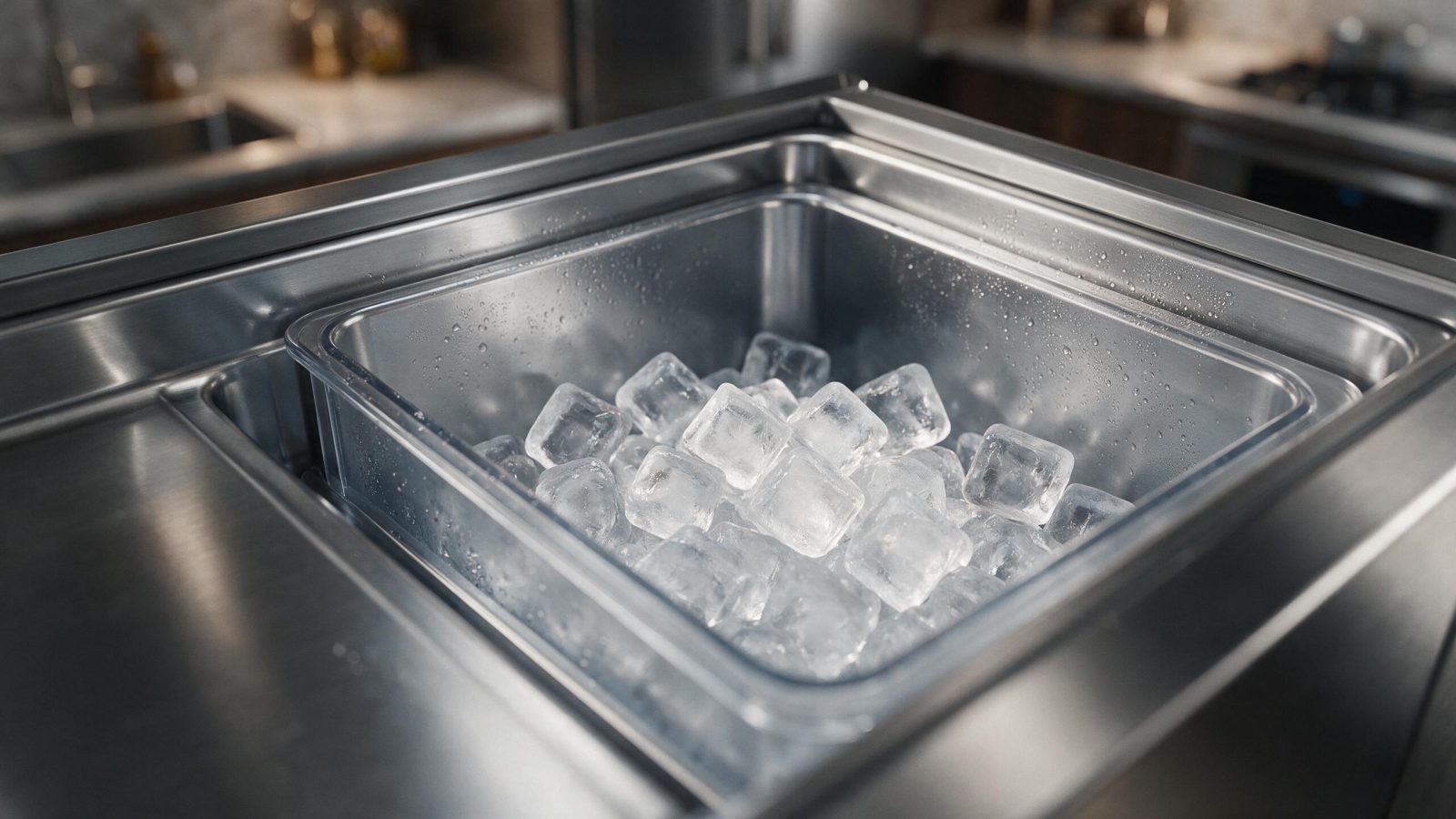
Sub-Zero guidance for certain models says a freezer ice maker typically makes about eight cubes every two to three hours, an undercounter model makes a batch about every half hour, and a full bin can take a day or two. Those figures help you judge whether output is actually low or simply unmet demand.
Where it is equipped, a Max Ice setting raises production by roughly 30 to 40 percent for a day.
Keep the freezer near 0°F and verify the door closes completely. A freezer that spends long periods above its normal temperature takes longer to freeze each batch of water.
On some models, the display shows when the ice maker is on, so confirm that first. A freezer that is slightly above its setpoint can make each batch take noticeably longer, which explains many reports of slow ice.
If warm groceries were loaded or the door was left open, correct that condition and allow the freezer to recover before judging ice output.
Sabbath Mode disables the ice maker on many models, so a unit that was recently in that mode may simply need to be switched back and given time to catch up.
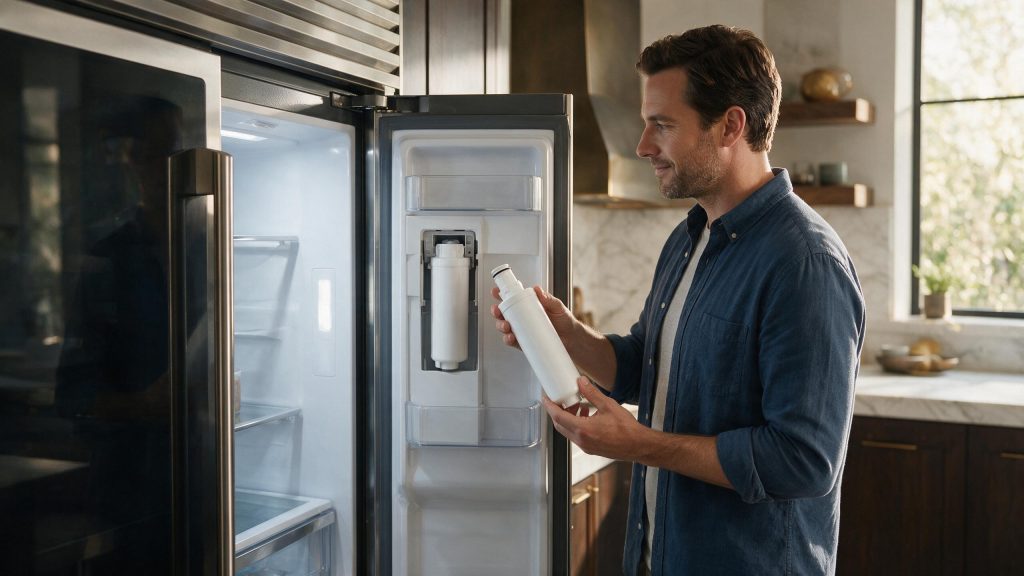
A partially restricted filter, aging home inline filter, low water pressure, or a fill tube beginning to freeze can reduce the water available for each cycle. If the model uses a Sub-Zero filter, confirm it is properly seated and within its service life. Small or hollow cubes in particular suggest low water pressure, and reverse-osmosis or well-water supplies can cut production on some models.
Do not assume every model contains a filter. Use the model and serial number to identify the correct water system. Reverse-osmosis and well-water systems can reduce supply on some models, so mention them if you have one.
Note the first symptom you saw, such as cubes that are smaller than before, since it tells you whether temperature or water is more likely.
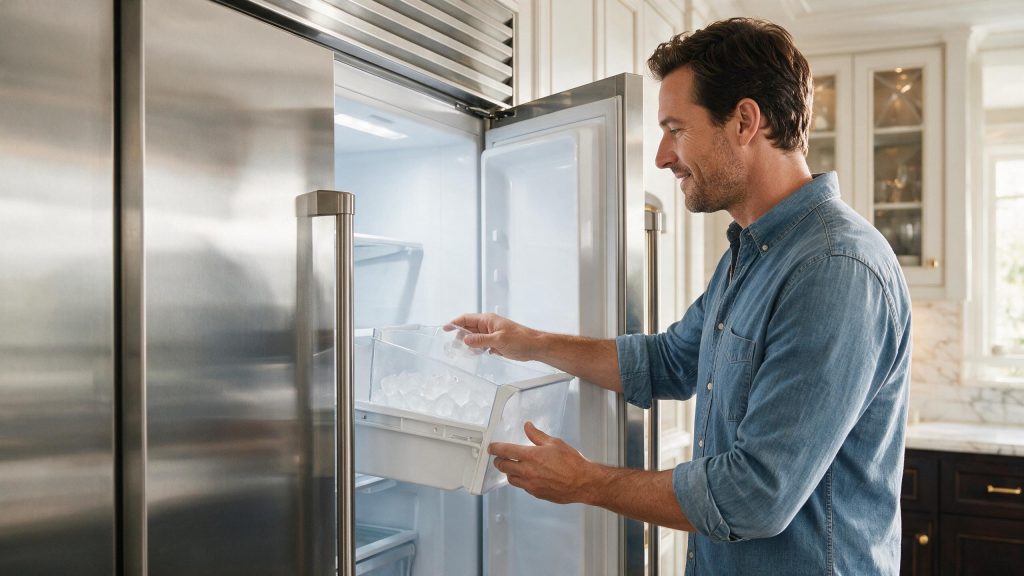
Seat the ice bin fully and level, clear clumped ice, look for frost at the fill area, and keep packages from pressing on the ice maker.
On over-and-under models, an upper basket seated too high can shut the ice maker off early, so check its position.
Keep packages from stacking against the bin, and keep any scoop out of the ice maker area. A bin that has been emptied and dried also lets a stuck clump break up so that new cubes fall freely. Do it gently, and never use sharp tools on the ice.
When production stays low after the freezer temperature, water supply, and bin checks are corrected, it needs a diagnosis.
Ice-maker layout differs between freezer, over-and-under, and undercounter units, and the display on some models shows an icon for the ice maker on or off. Hollow or very small cubes point toward water supply, while a pattern of low ice with a warm freezer points toward temperature. Your model’s manual tells you which situation applies.
If freezer temperature is normal, water supply is strong, the filter and bin are correct, and production remains consistently low over a full day, a valve, sensor, ice-maker mechanism, or control issue may need testing.
Also compare output over a full day with the number of people using it. A busy household can empty a bin faster than the system refills it, and that is not a fault.
No. Temperature and water-flow restrictions are common reasons for slow production.
A restricted or incorrectly seated filter can reduce water flow on models that use one.
Use a full recovery period rather than a short snapshot. After correcting a problem, allow up to 24 hours for output to normalize.
It varies by model. Check the manual for your unit and compare output across a full cycle rather than an hour.
Where equipped, it increases production for a limited period. It does not fix a warm freezer or a water restriction.
On some models, yes. A bin that is not fully seated can stop production, so check that before assuming the mechanism is at fault.
If the symptom continues after the owner-safe checks above, schedule a professional diagnosis. You can also review our Sub-Zero repair services before booking.
Water-filter problems are often simple, but not every Sub-Zero uses an internal filter and replacement procedures differ by product family.
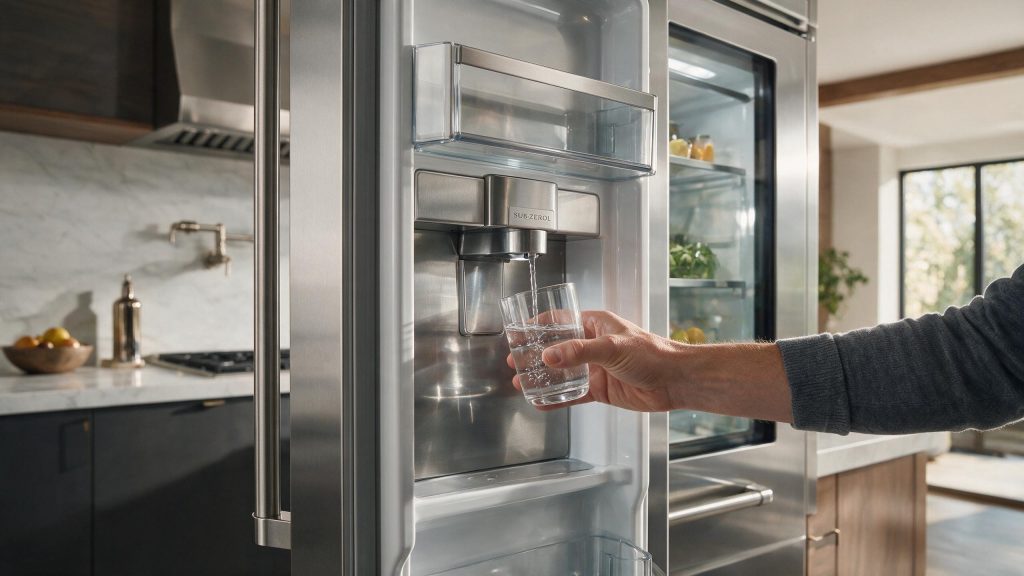
A no-water condition can come from controls, filter or supply restrictions, or a valve issue. The correct checks depend on the dispenser model.
A no-ice problem often starts with freezer temperature, ice-maker status, bin position, or water supply rather than the ice maker itself.
Share a few details and we’ll confirm an appointment. Prefer to talk? Call us and we’ll help right away.
Fields marked with * are required.