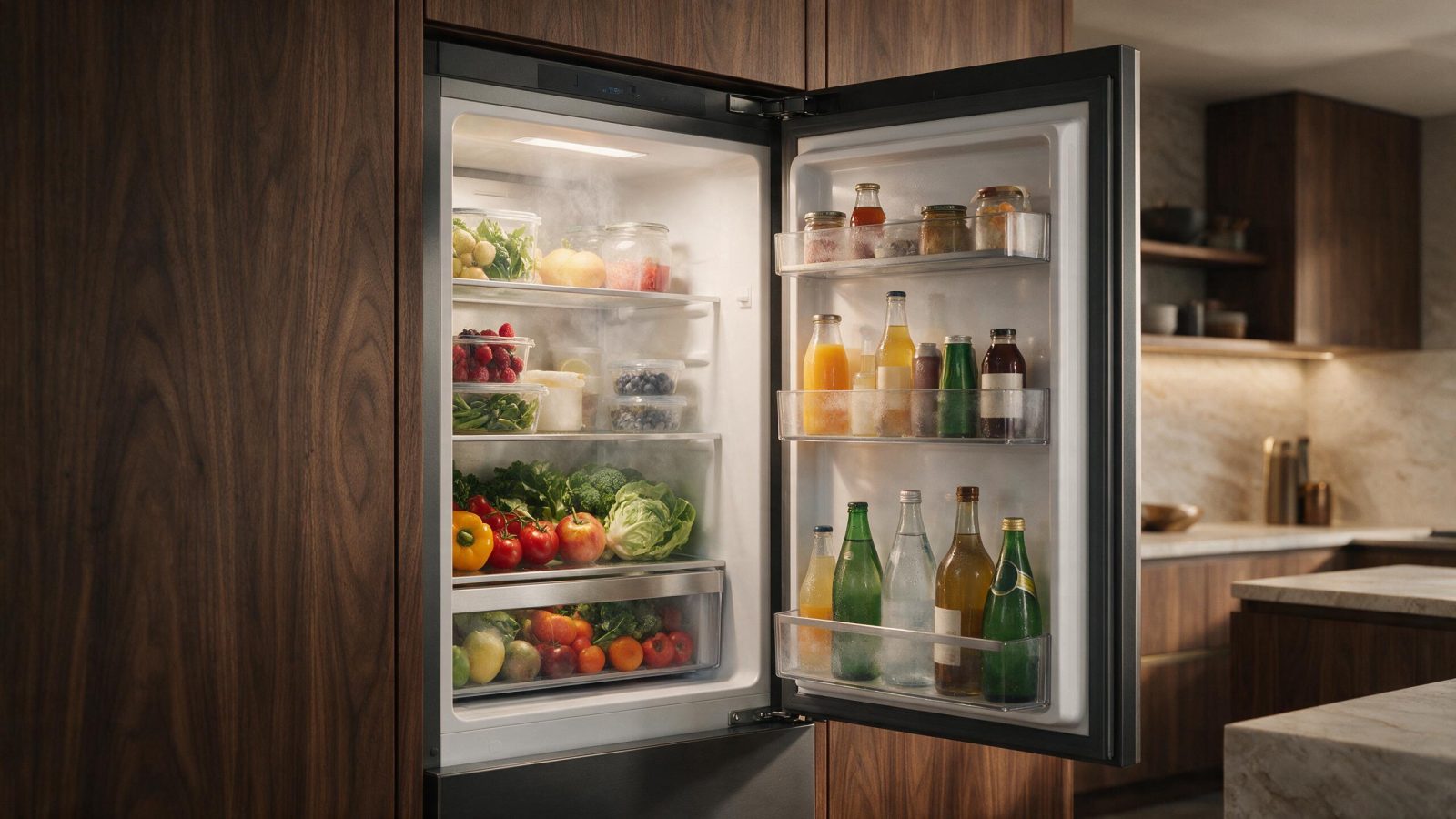

Use a temperature-first approach to separate a temporary warm cabinet from a persistent Sub-Zero cooling problem.
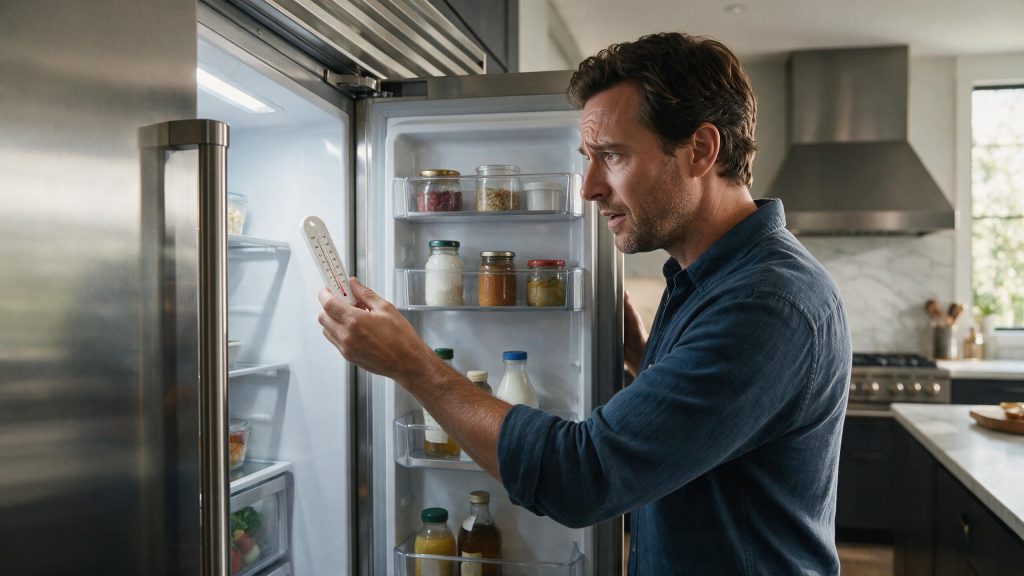
A refrigerator can feel warmer than expected after grocery loading or repeated door openings, but a persistent high temperature should be treated as a performance issue. Start by checking the setpoint and the pattern over time rather than turning the control progressively colder.
For electronically controlled Sub-Zero refrigerators, 38°F (3°C) is the usual recommended setting. Changes are not immediate; the cabinet may need up to 24 hours to settle after a correction.
If the refrigerator has been in service for a while, verify condenser maintenance is current. Dust on the condenser raises operating temperatures and can reduce cooling capacity under heavy load.
Do not spray household degreasers onto the condenser. Use the model-specific Sub-Zero procedure and take care not to bend the fins.
A warm refrigerator with a normal freezer can indicate a refrigerator-side airflow, fan, sensor, or control problem. Both sections warming together can suggest a broader heat-rejection, power, or refrigeration issue. Service messages and error codes are also valuable clues.
Record actual temperatures and the model number before service. That information is much more useful than repeatedly resetting the appliance.
If the refrigerator is clearly too warm for safe food storage, move perishable items to reliable refrigeration. Do not wait a full day with vulnerable food inside a cabinet that is continuing to warm.
No. Use the normal setpoint and solve the cause of the warmth. An unusually low setting can create a second problem without fixing the first.
Food and containers can interfere with door closure or internal airflow. Reposition items before assuming a component has failed.
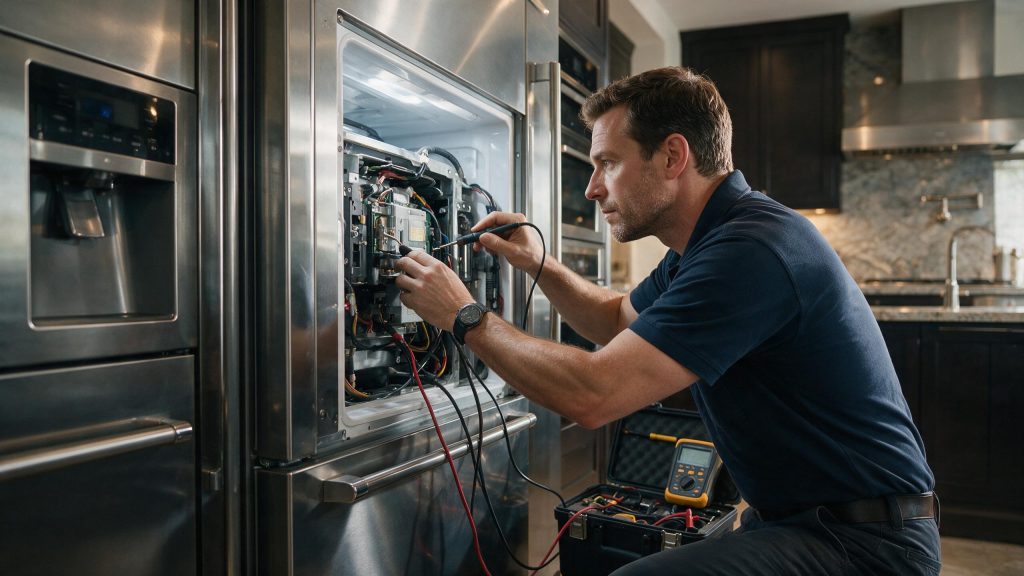
If temperatures remain high after door, loading, airflow, and condenser checks—or if they continue rising—professional diagnosis is appropriate.
If the symptom continues after the owner-safe checks above, schedule a professional diagnosis. You can also review our Sub-Zero repair services before booking.
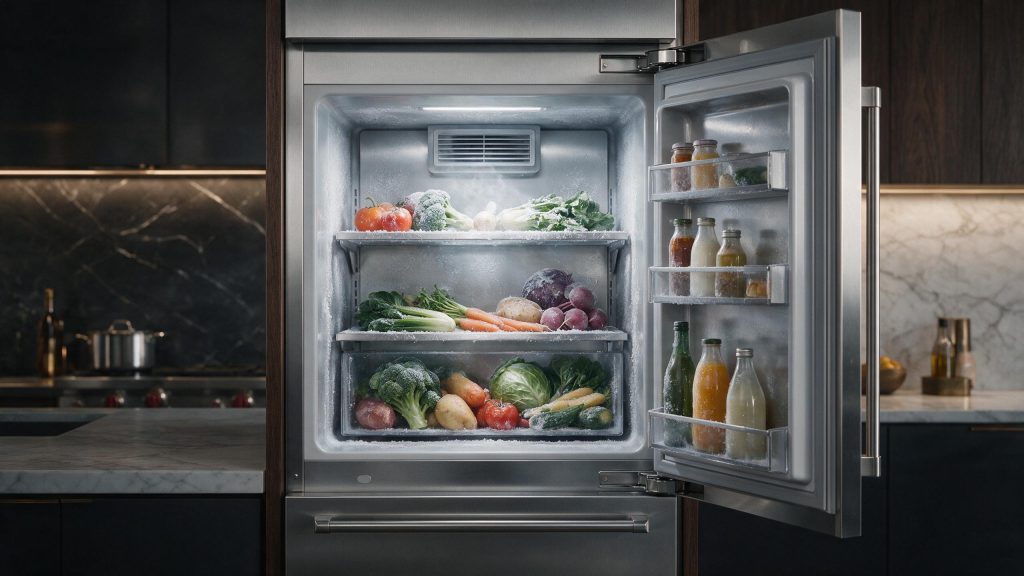
Food freezing in the refrigerator section is usually a control or airflow problem—not a reason to keep raising the setpoint blindly.
Do not condemn a Sub-Zero compressor based on sound or run time alone. Several simpler faults can produce the same symptoms.
Separate normal short-term temperature movement from a refrigerator that truly cannot hold its setpoint.
Share a few details and we’ll confirm an appointment. Prefer to talk? Call us and we’ll help right away.
Fields marked with * are required.